Statement
As far back as I can remember, I always wanted to be a painter.
To be an artist and to paint. Perhaps it is because for me, growing up in small-town Italy, art took the sole form of a painting.
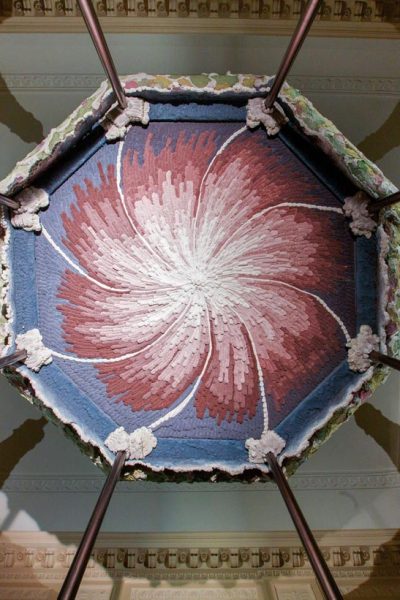
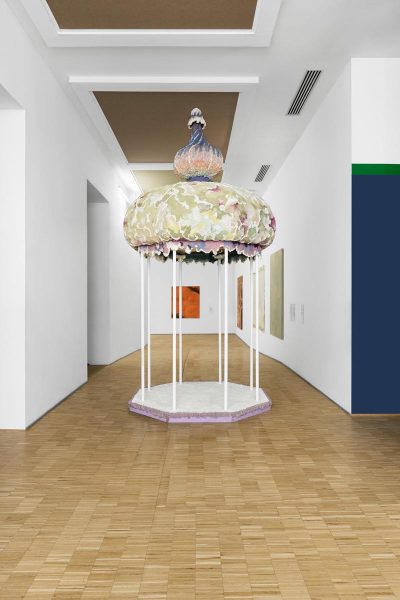
What interests me about painting is its ability to transform a space, to give value to the context it inhabits — and not the other way around, as the logic of the readymade would have it. I think, for example, of the fresco, which transforms a space rather than merely decorating it. This is why I began to practice painting as an anti-readymade, as the construction of space rather than of the object placed within it. A painting that is always the elevation of a project, and that for this reason always carries an architectural tension. In this sense I always operate as a designer, and my works are always site-specific.
Designing entire environments in a site-specific way therefore has the advantage of freeing me from the fetishism of the object and from the pitfall of decoration.
I also like to think that my works, even when conceived for private spaces, are always dedicated to a broader audience — which is why I favor transitional spaces such as living rooms, staircases, entrances, and foyers.
I paint to give space and body to painting.
My work transforms architectural volumes into habitable bodies, making the difference between interior and exterior collapse.
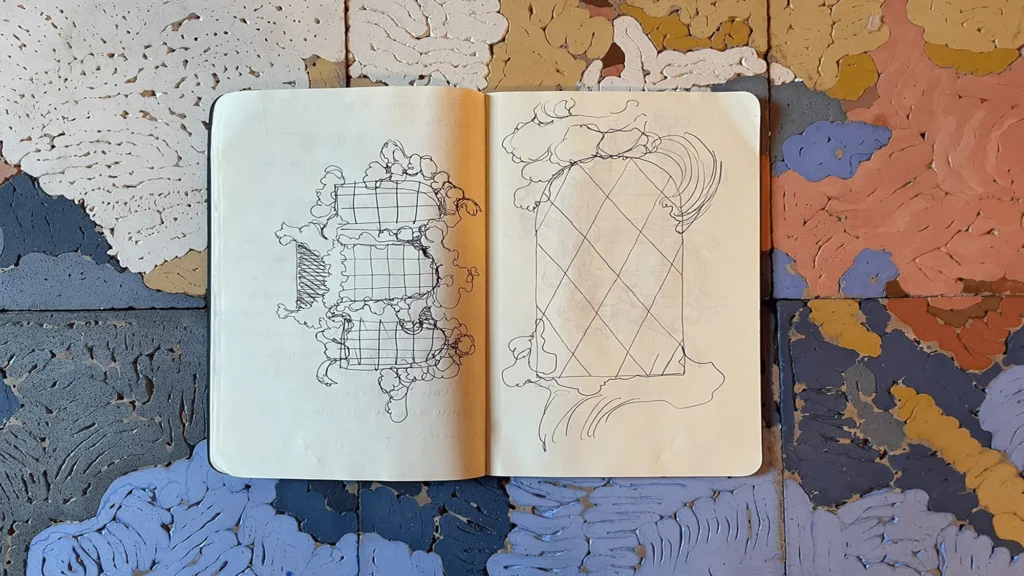
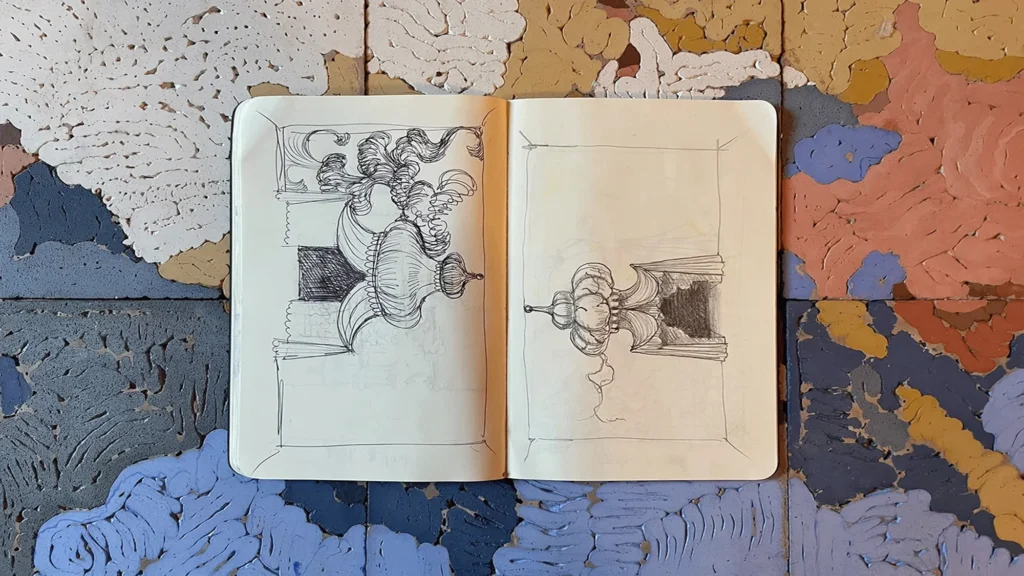
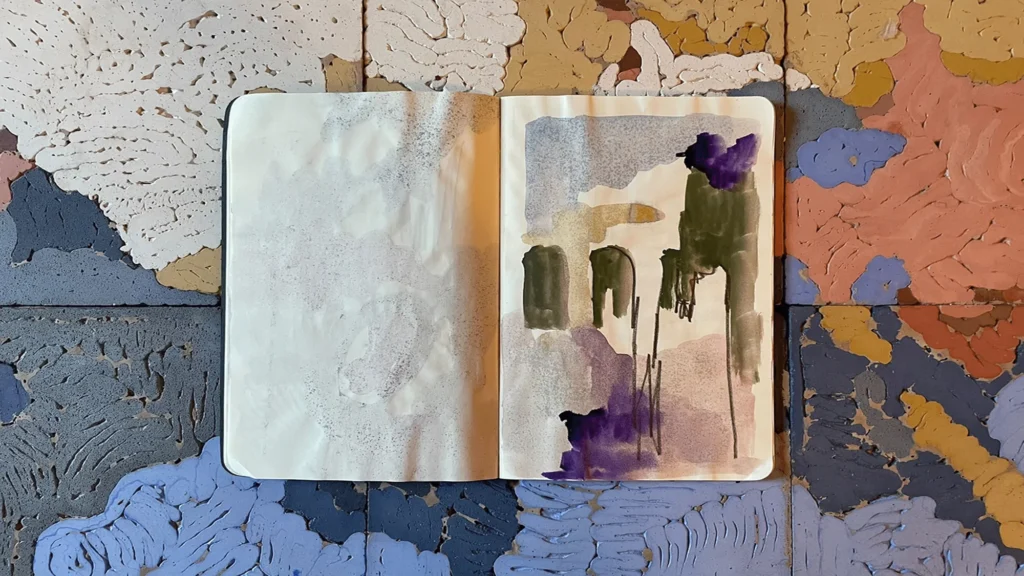
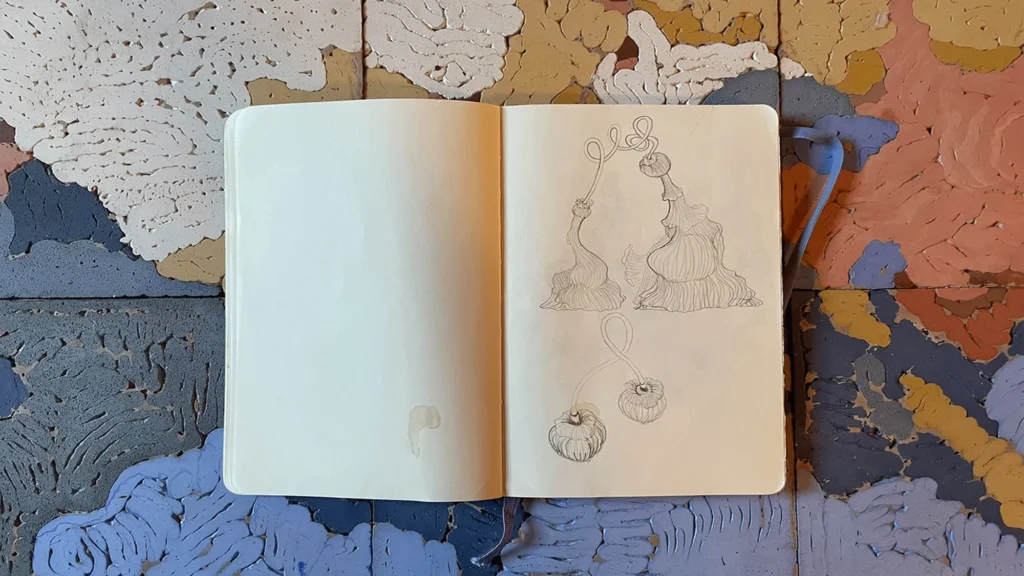
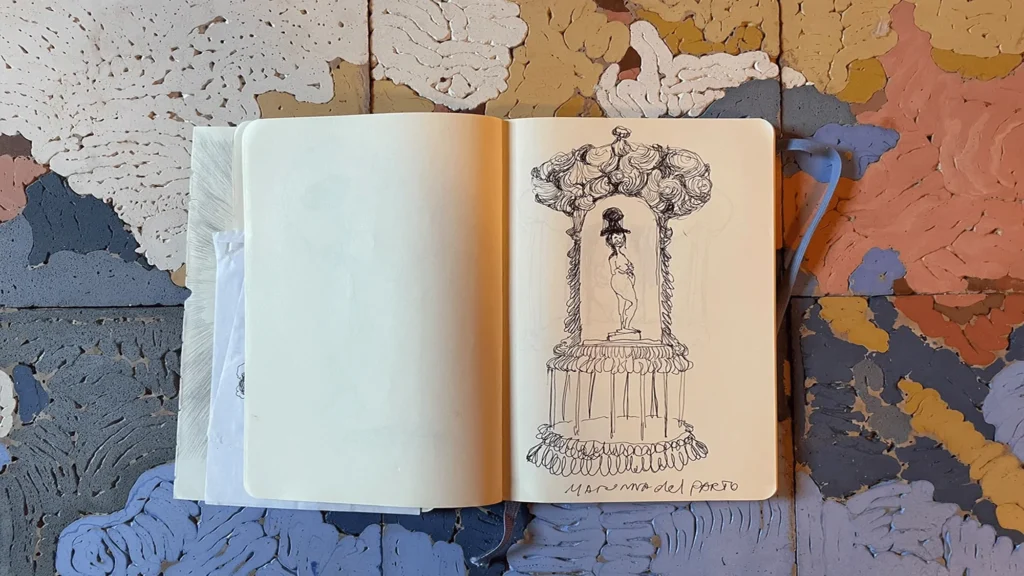
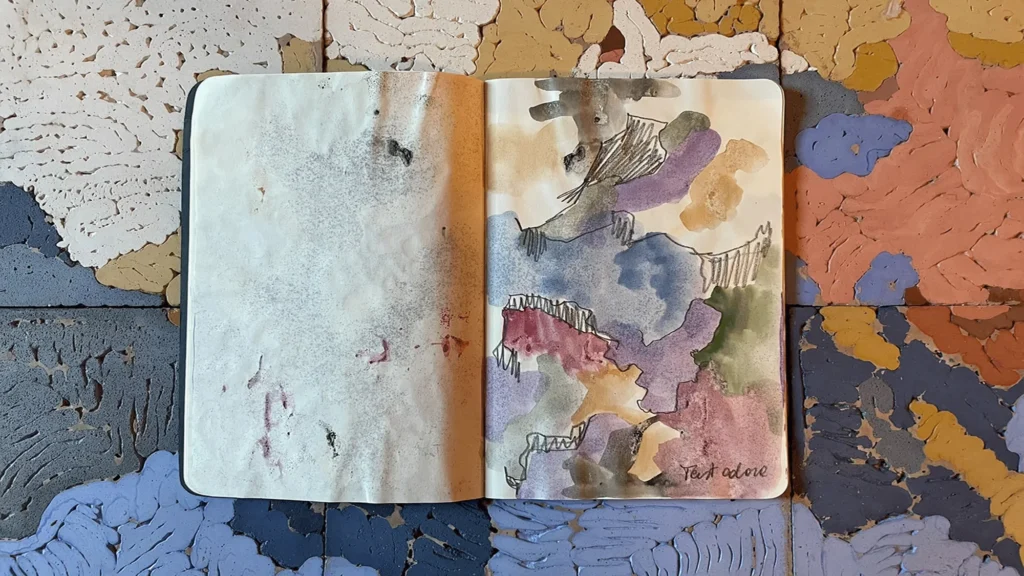
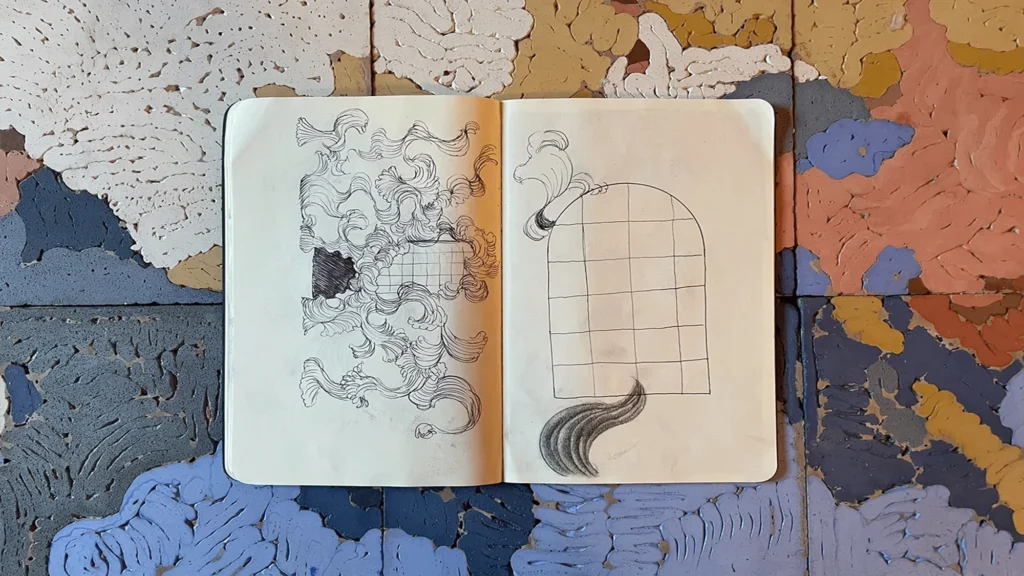
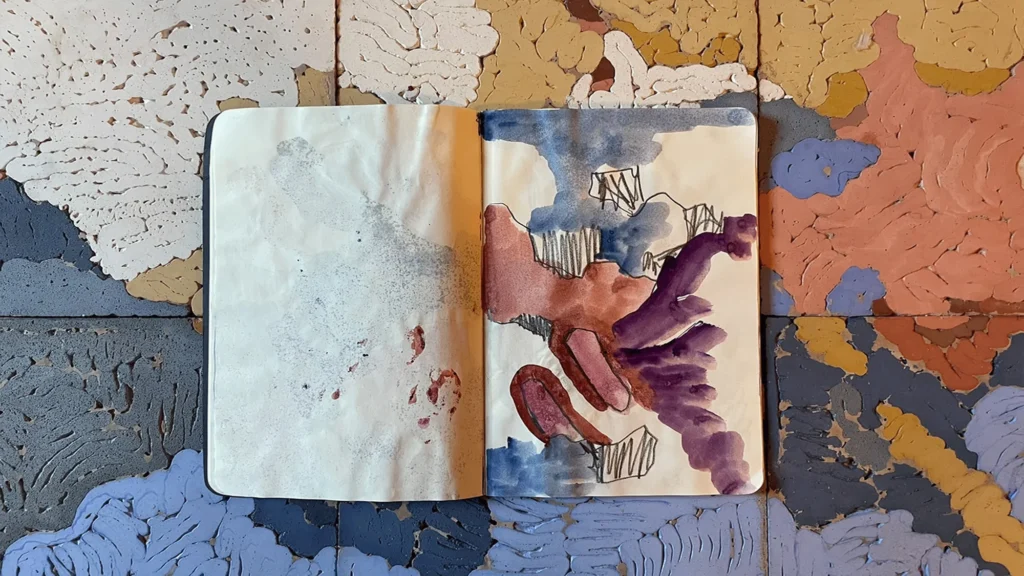
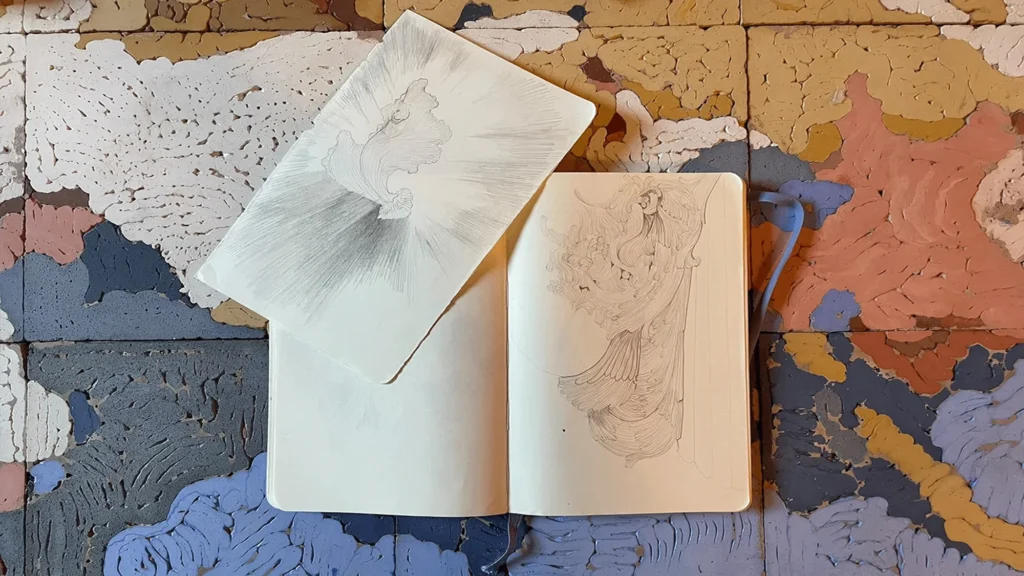
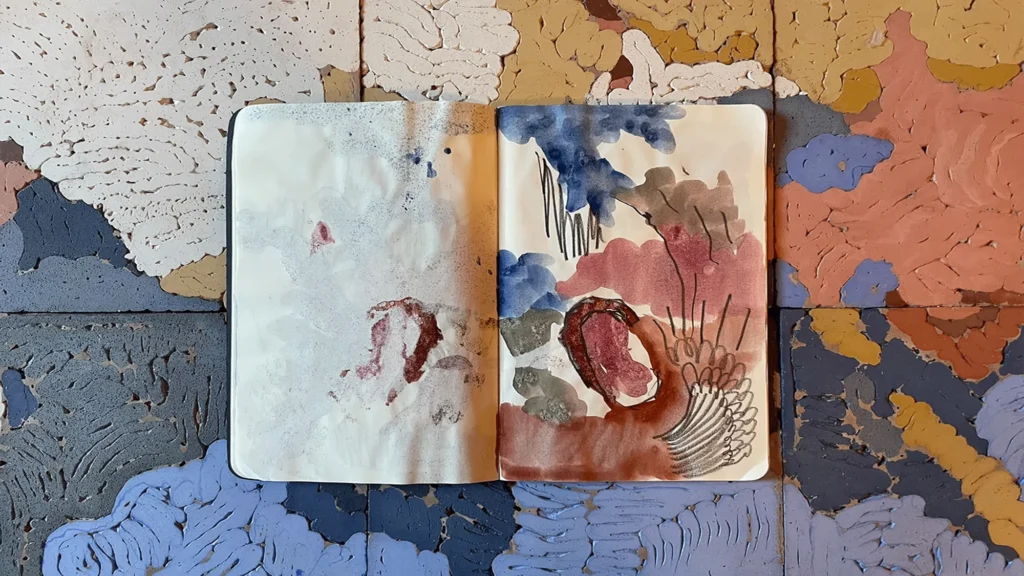
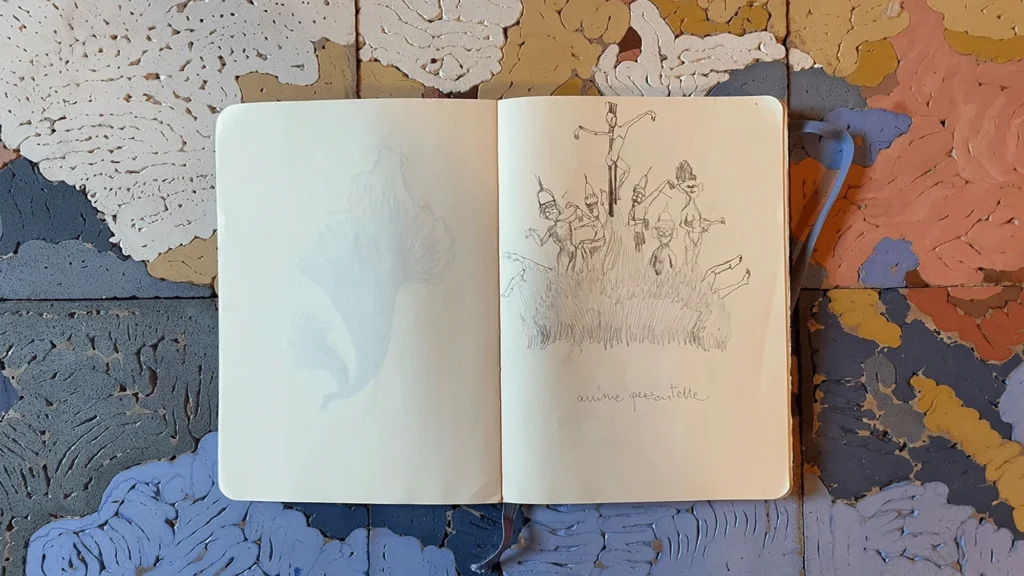
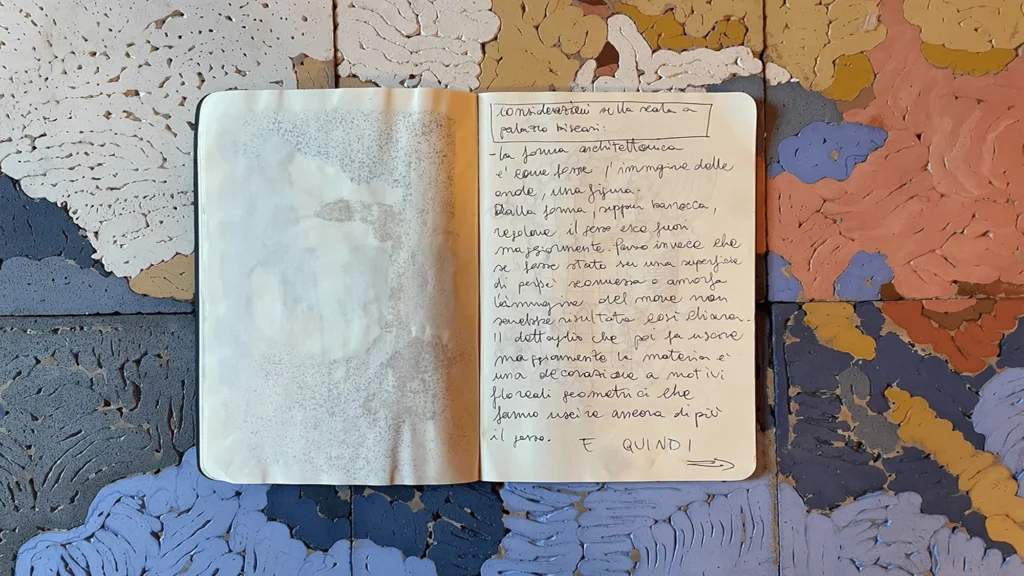
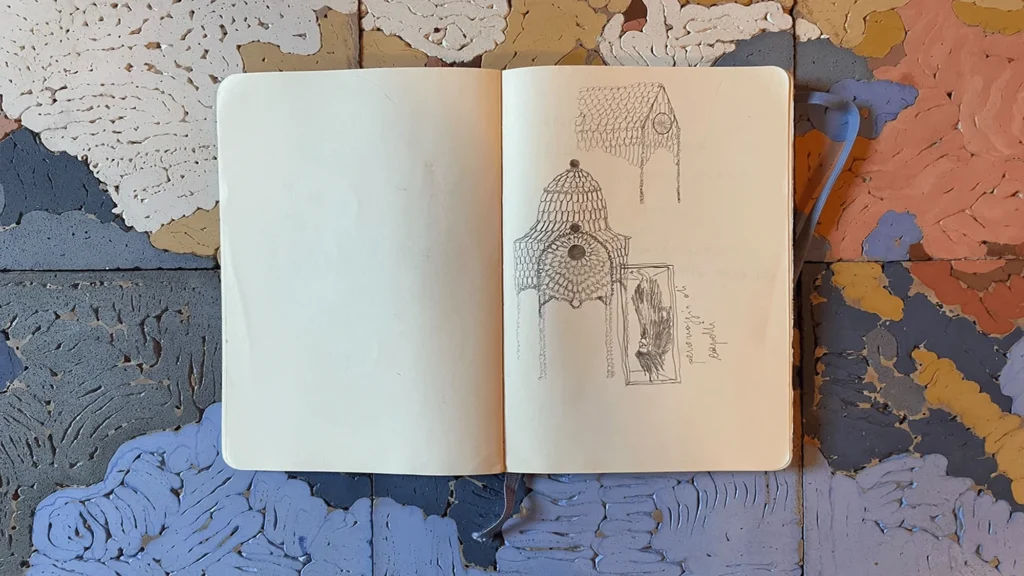
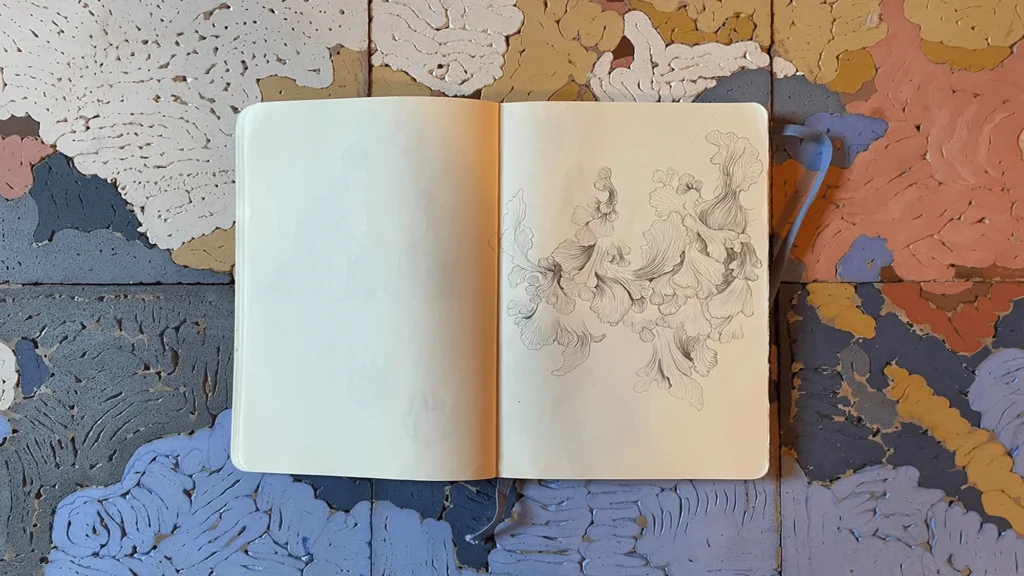
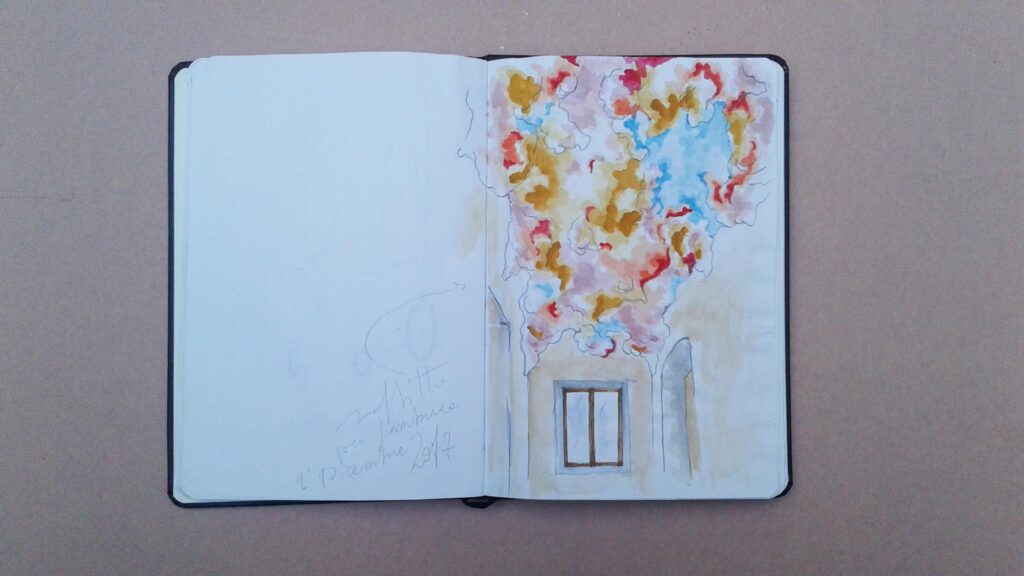
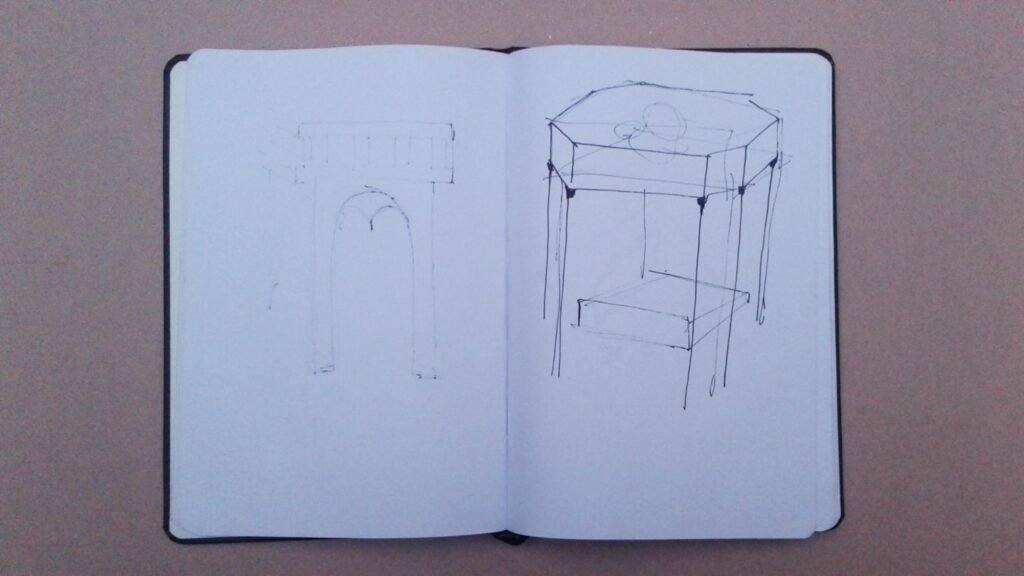
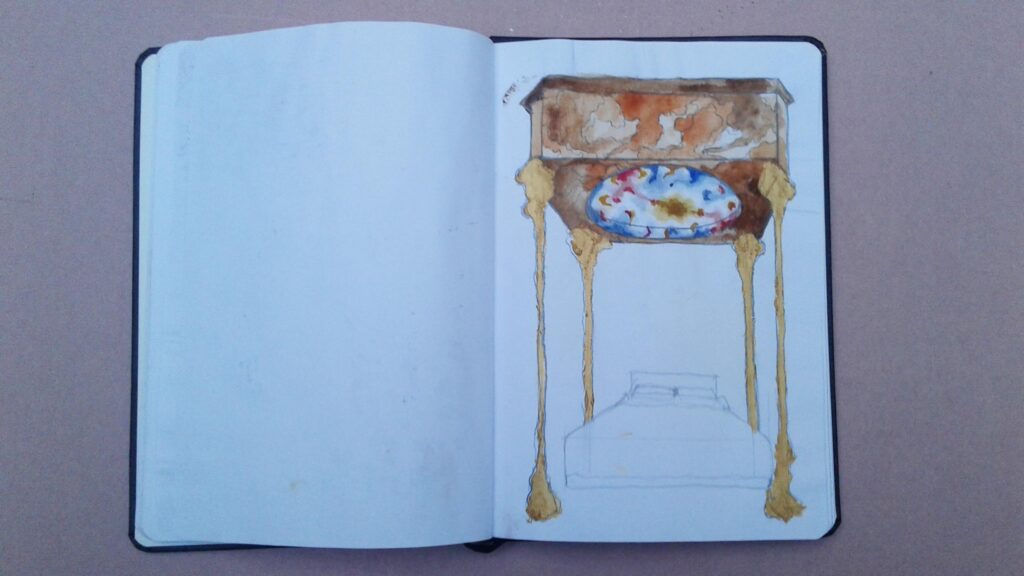
Using a building material like cement was the most natural choice for my site-specific paintings.
Material
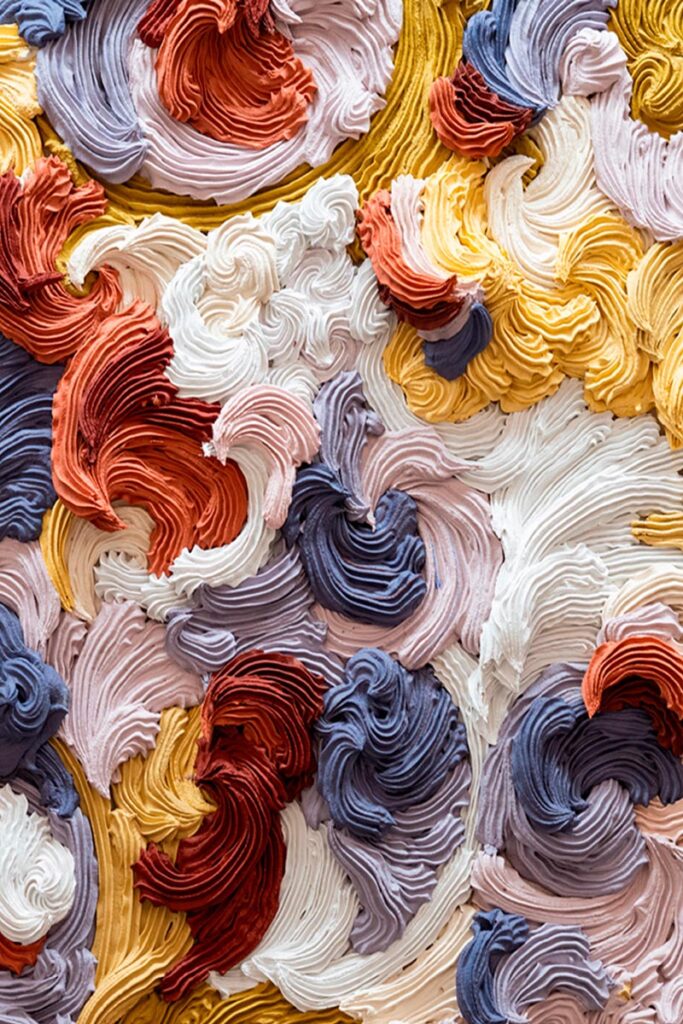
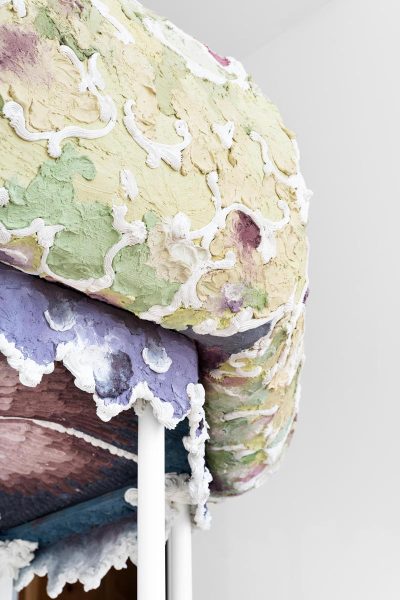
A common material, not noble, available everywhere. A material that runs through the history of the twentieth century, widely admired for its functionality and geometric purity, yet ostracized for having become the symbol of mass urbanization and industrial production. In this sense, the use of pigments allowed me to free it from a rigorous, essentialist, and grey narrative, and to make it frivolous, baroque, and colorful. Spread with a spatula or by hand onto surfaces, in a simplified version of the fresco technique, cement takes on the form of the mold and salt crystals that bloom spontaneously from walls, as well as limestone and coral-like encrustations. Worked with a pastry bag, cement sheds its gravity and finds the lightness of a sweet creation.
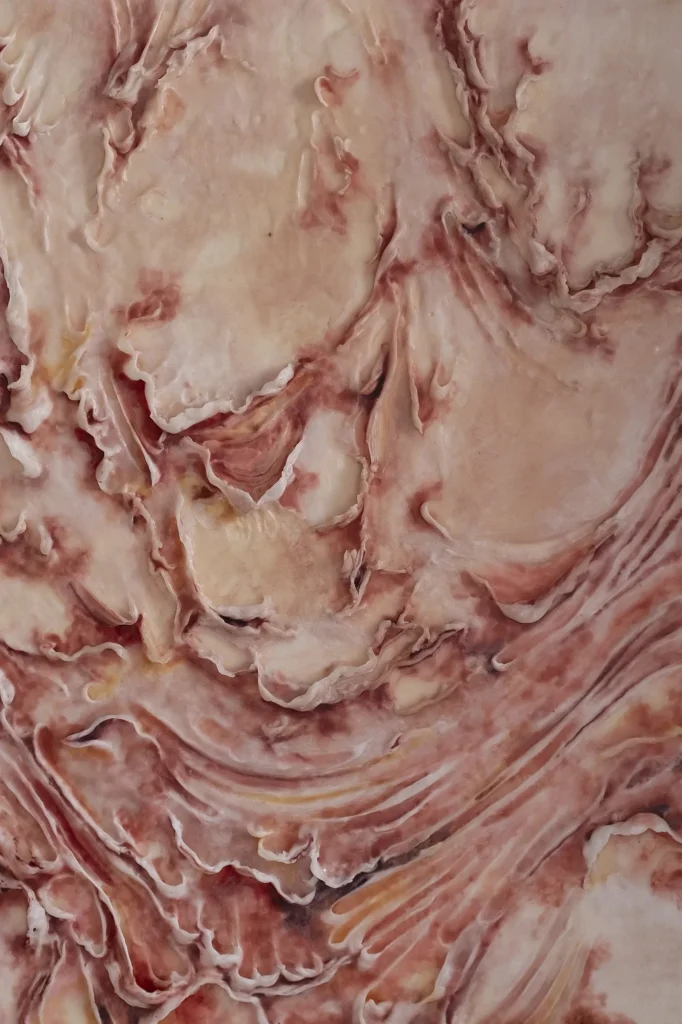
The choice to work with wax also came quite naturally when I found myself making human-like sculptures, which I conceived as performers within my spaces — automatons waiting to come to life.
With wax, fragile and malleable, I was able to imitate flesh, exposed and marked by the weight of time.
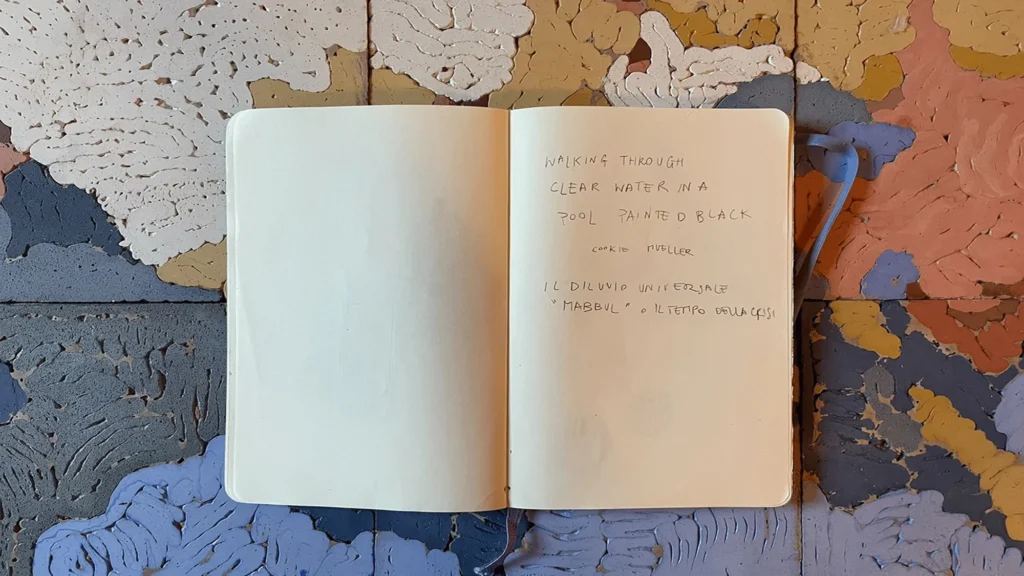
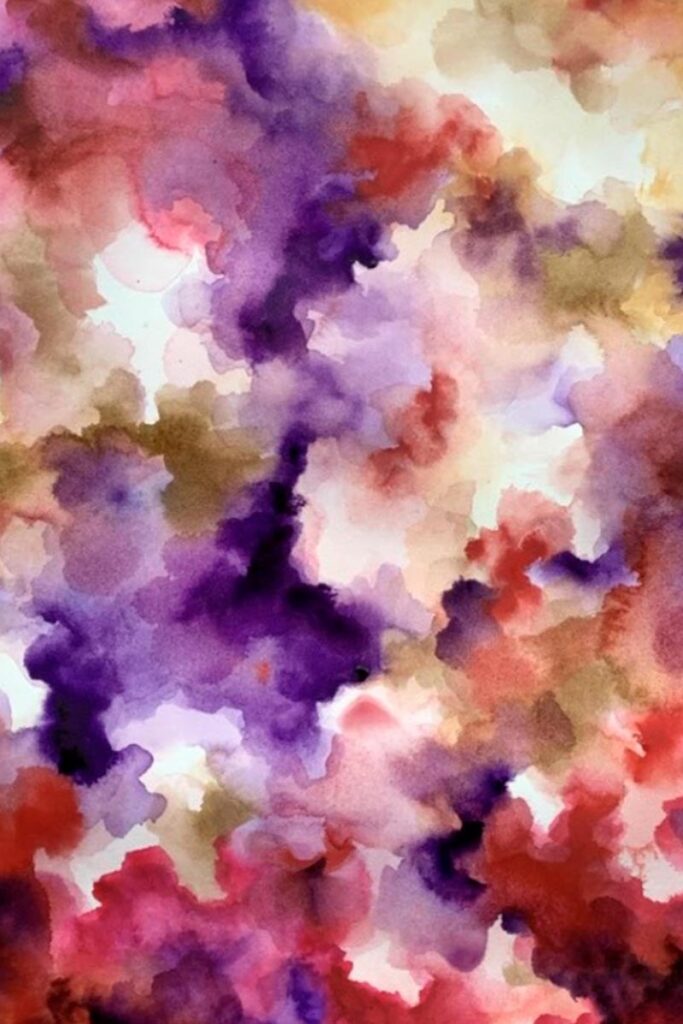
Water as a painterly material — and consequently watercolor as a technique — were suggested to me by the cities where I have worked, all of them crossed by a river. Water revealed itself to be the only element capable of retaining the memory of the substances that have passed through it, endowed with a visual memory. I like to imagine that every image ever reflected on its surface remains imprinted there, and above all the image of the sky. From this came watercolors on paper and on wall that have the appearance of perspectival breakthroughs.
I learned art history by walking through churches — an experience that returns cyclically and continues to orient my work.
References
The lacunae in medieval frescoes, with their irregular shapes, remain a reference for the way I construct images. The lacuna, in this sense, is not a loss; it is generative, it produces desire, and it is there that the work begins. In the same way, the memory of medieval and baroque paintings, emptied of their figures, becomes an essential compositional scheme for my works. Eliminating images allows me to empty them of their original meaning, always tied to the representations used by power.
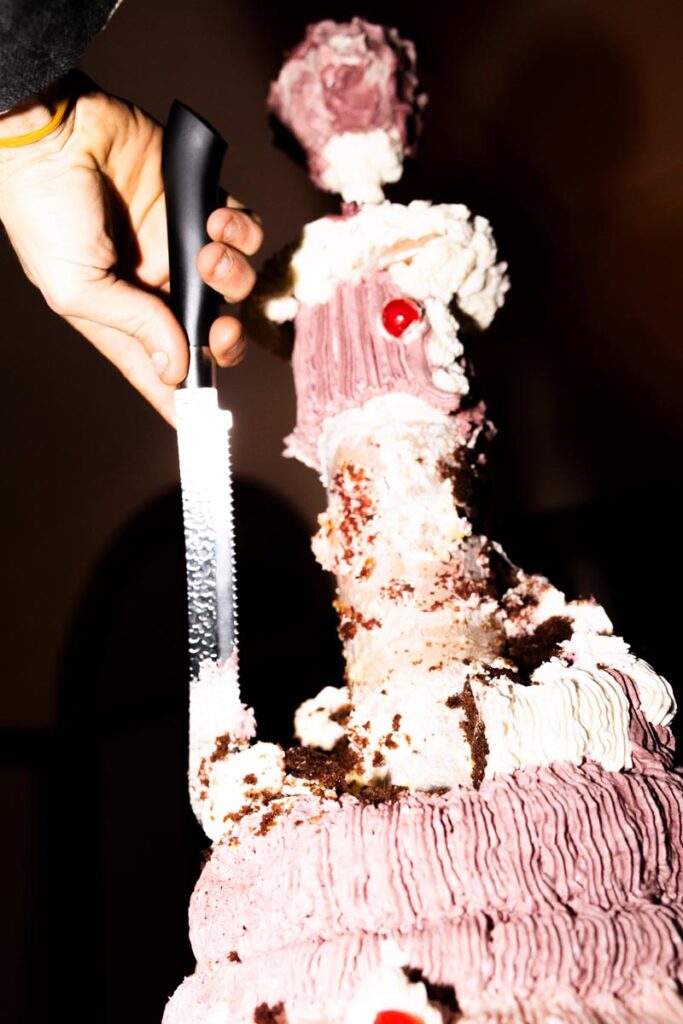
Like churches, certain cities are places I return to regularly, as one visits a dear friend. And returning to the same places in Rome, Turin, Vienna, and Sicily has given me back their baroque architecture as though it were made of sugar: marble and sugar seem to have shared the same function — that of displaying economic and political power. Starting from this intuition, I studied the sugar and marzipan sculptures that, between the late Middle Ages and the Baroque period, were consumed at European courts during sumptuous banquets. From this came works in cement shaped with a pastry bag, and others, edible, in buttercream. Once only royals, the nobility, and the clergy had the power to consume these precious sculptures, with the idea of ingesting the symbol of power itself. In my performances the gesture is shared and the audience eats the sculptures. At a certain point not much remains: no sanctity, no grandeur, only something that has been consumed. Rather like destroying a monument.
Spelonca
I have always had a studio.
I spend almost all my time there.
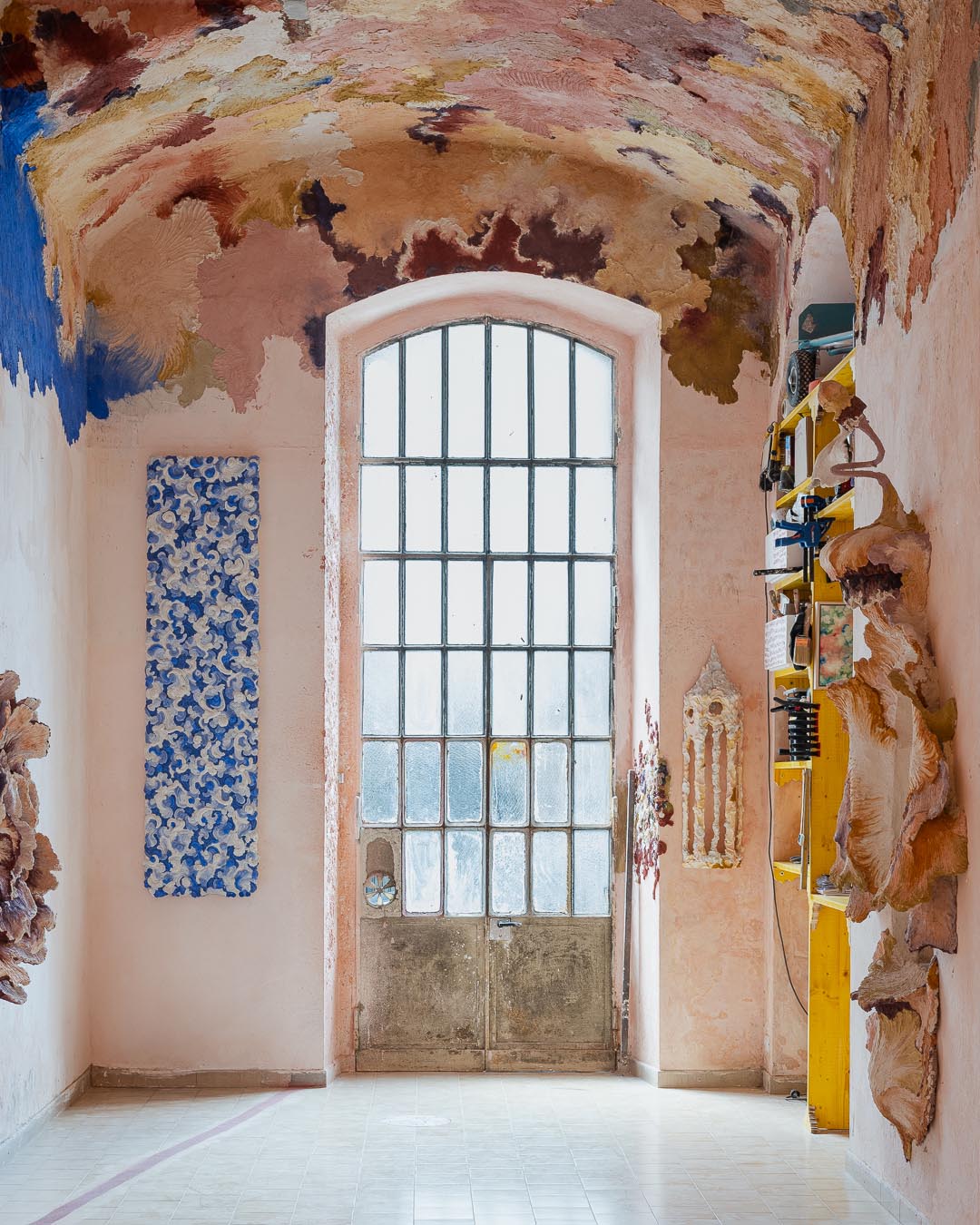
Mine is a permanent building site, filled with tools and materials: mortars, cements, buckets, scaffolding, glues, formwork, paper, sand, bricks, wood, cardboard, wax. Things sit there, accumulate, leave traces, and the space ends up absorbing them and growing with them like a habitable sculpture, continuously rewritten by the passage of materials.
I have never considered the studio a private space in the strictest sense. Over time it has also been a place traversed by other people, by performances, music, and temporary interventions. And Spelonca Project was born precisely from the idea that art can exist as a shared practice, unstable, open to other artistic practices.
The spaces that have housed Spelonca have had different lives — a Lefebvrian church and a disreputable nightclub. And I would like it to continue to be a collective place, never entirely defined, available to be modified, contaminated, rewritten each time by those who pass through it.